What are Fractional CFO Services?

Fractional CFO services allow businesses to access senior financial leadership without hiring a full-time Chief Financial Officer. Instead of bringing a CFO in-house, companies work with an experienced finance professional on a part-time or outsourced basis, receiving strategic guidance tailored to their stage of growth.

These offerings are commonly used by startups and growing companies that need help with financial planning, cash flow management, forecasting, fundraising preparation, and decision-making support, but don’t yet require a full-time executive.

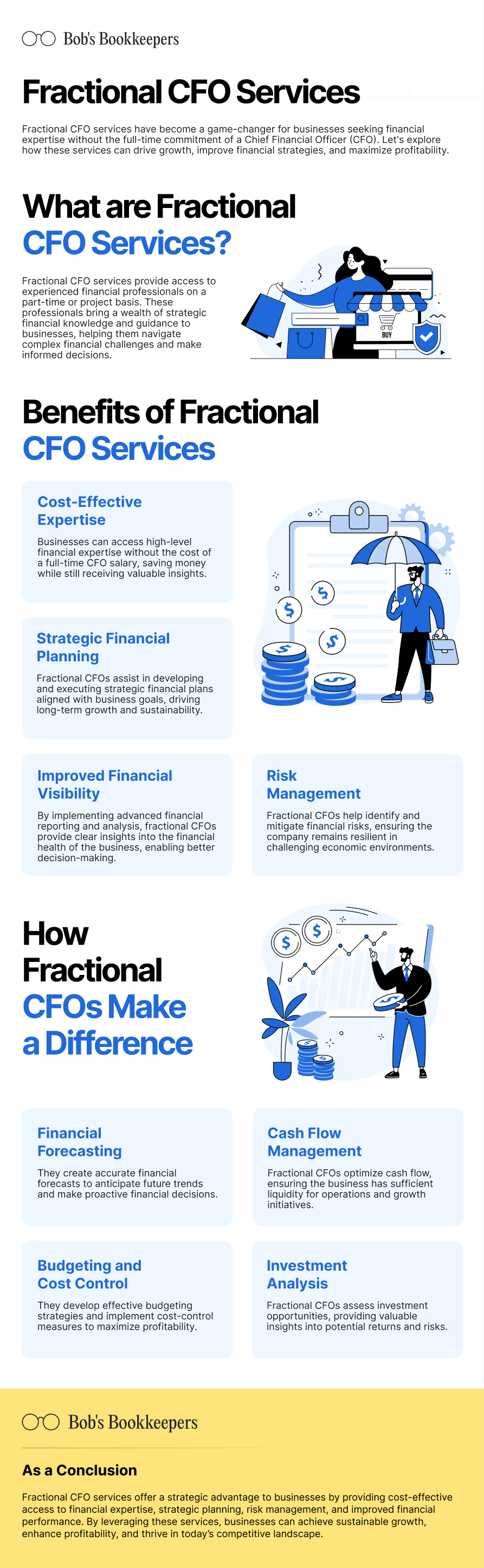
The infographic below presents fractional CFO roles in a visual, high-level format. It outlines what a fractional CFO typically supports, how these approaches differ from traditional bookkeeping, and where they fit into a company’s financial structure.

This overview is designed for founders, small and mid-sized business owners, and decision-makers who want a quick, easy-to-digest explanation before exploring the topic in more depth. It’s especially useful for teams evaluating whether fractional CFO support makes sense for their current needs or planning future financial leadership as the business scales.

Frequently Asked Questions

What are fractional CFO services?

These services provide businesses with access to senior financial expertise on a part-time or outsourced basis, helping guide strategy without hiring a full-time executive.

Who should consider hiring a fractional CFO?

Startups and growing businesses that need strategic financial guidance but are not ready for a full-time CFO often benefit the most.

How do fractional CFOs support business growth?

They help with planning, forecasting, and financial decision-making, ensuring resources are allocated efficiently to support scaling.

What tasks does a fractional CFO typically handle?

Common responsibilities include budgeting, cash flow oversight, financial analysis, and evaluating investment opportunities.

Are fractional CFO services cost-effective for small businesses?

Yes, they allow companies to access high-level expertise at a lower cost compared to hiring a full-time executive.

How is a fractional CFO different from a bookkeeper or accountant?

Unlike operational roles focused on recording or reporting, this role provides strategic insights and helps guide long-term financial decisions.

We use cookies to help improve our website. Our Privacy Policy
Ok
Keep up with the latest in bookkeeping
Thank you! Your submission has been received!
Oops! Something went wrong while submitting the form.

